Papilio Machaon Butterfly: A Redwork Embroidery Review
As an embroidery designer preparing a new sweatshirt collection for a boutique client, my first task is to evaluate the digital files. The Papilio Machaon Butterfly Redwork design lands on my screen. Its name alone sets a tone: scientific, specific, and connected to nature. This isn't a generic bug; it's a particular, elegant butterfly. The "Redwork" descriptor suggests a classic, single-color approach, which immediately piques my interest for premium, minimalist apparel.
First Impression: Elegant Detail with Boutique Potential
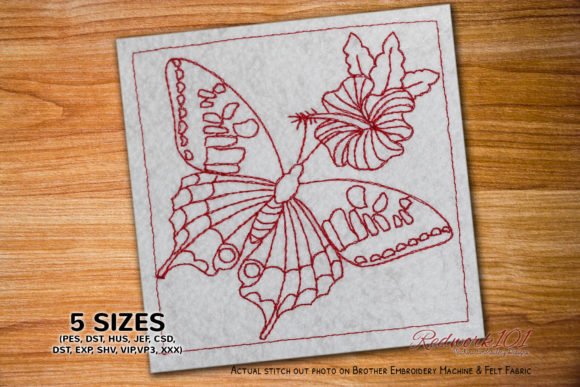
The layout of the Papilio Machaon Butterfly Redwork is the first thing I notice. The butterfly itself is the clear, central focus. The description mentions an optional box stitch border, noting its color is usually separate. This is a crucial detail for a designer. It means the core butterfly can be isolated, giving us immense flexibility. My initial impression is one of delicate precision. The design feels botanical, almost like a scientific illustration rendered in thread. It’s not overtly cute or playful; it leans feminine, decorative, and quietly bold. The detail level suggests it will translate into a clean, readable stitch pattern, which is essential for creating a premium handmade product feel.
For a limited sweatshirt drop, this mood is perfect. It conveys thoughtfulness and craftsmanship. On a neutral sweatshirt—a creamy oat or soft grey—the redwork butterfly would pop as a sophisticated chest logo. On a dark fabric, like charcoal or navy, the contrast would be striking and modern. Imagine it on an oversized, cozy hoodie: a single, beautiful insect resting near the pocket, turning a casual garment into a statement piece. On pastel-colored apparel, say a blush pink sweatshirt, the design would adopt a softer, romantic quality. This versatility is a major asset for a small shop curating seasonal collections.
Placement & Application: From Chest Logo to Sleeve Accent
When planning the application, I consider how Papilio Machaon Butterfly Redwork functions as a machine embroidery design. For sweatshirt embroidery, chest placement is classic. The design's size and composition need to be suitable for that space without being overwhelming or too small. Based on its detailed nature, I'd expect it to be a medium-scale file, ideal for a central focus. It could also be a beautiful, subtle accent on a sleeve or along the shoulder seam of a hoodie.
As a back design on a sweatshirt, it would create a more decorative, artistic garment, elevating it from basic boutique merchandise to a lifestyle item. This is key for product photography and Etsy listings. A clean, well-embroidered Papilio Machaon Butterfly on a textured sweatshirt fabric photographs beautifully. It tells a story of quality in mockup previews and attracts customers looking for unique custom apparel. For the brand identity of a small shop focusing on nature or elegance, this embroidery file could become a core visual recognition element.
Practical Designer Considerations for Commercial Use
Moving from aesthetics to the machine, several practical concerns arise. The thread color contrast is paramount with a redwork design. The description implies a single primary color for the butterfly, but we must select that hue carefully. A rich brick red, a deep crimson, or even a muted terra-cotta would each create a different brand feeling. The optional box border, if used, introduces a second color choice, offering a chance to frame and define.
Stitch density is a silent hero. A design with too high density on a thick sweatshirt fabric can feel stiff and uncomfortable; too low can look sparse. I hope this butterfly file has a balanced density that allows it to sit softly on the garment. This affects stabilizer choice and overall washing durability. A robust, well-digitized file should withstand wear, reinforcing buyer trust in the finished product.
Small-size readability is another test. If the boutique wants a smaller version for tags or child sizes, the intricate wing details must remain clear. Hoop placement and fabric texture also play a role. Sweatshirt material has a distinct nap; the embroidery must be planned to avoid puckering and ensure the butterfly sits flat. All these factors determine if the Papilio Machaon Butterfly Redwork feels strong enough for commercial embroidery and repeated production.
Elevating Product Value and Brand Story
Ultimately, the choice of an embroidery design like this directly impacts product value. A generic, simplistic design can make an item feel mass-produced. The Papilio Machaon Butterfly Redwork, with its specific nomenclature and illustrative detail, feels curated and intentional. It suggests the brand has a deeper point of view. For a handmade product presentation, this is gold. It engages customers who appreciate the story behind the product—the name of the butterfly, the artistry of the stitch.
For the digital seller or creative entrepreneur, this file is a design asset that can be used across a capsule collection. It can anchor a line of "Bugs" or "Nature" themed Embroidery products, but its elegance allows it to transcend a simple category. On a premium sweatshirt, it becomes less about "bugs" and more about beauty, study, and calm. It encourages the brand to build a cohesive world around it, through styling, photography, and complementary products.
Final Notes Before Hooping the Sweatshirt
My review leaves me optimistic about the Papilio Machaon Butterfly Redwork for a boutique sweatshirt project. Its aesthetic aligns with a premium, minimalist, and feminine brand identity. Its described flexibility with the optional border offers creative control. However, before moving to production, I must check the specific technical details the description does not provide: the exact stitch count, the recommended hoop size, and the embroidery file formats included. These are essential for smooth commercial embroidery. Once confirmed, this design has the potential to become a signature element for a small shop, transforming a simple cozy sweatshirt into a wearable piece of natural art.