Louse Redwork: A Unique Bug Embroidery for Personal Gifts
As an embroidery designer preparing a new line for a personalized gift shop, I always test a design by imagining it on the final product. Today, I’m looking at Louse Redwork, a charming machine embroidery design from the Bugs category. My goal is to see if it can become a beloved, meaningful gift when stitched onto items like baby blankets, wedding keepsakes, or kitchen towels.
The First Impression: Sweetness with a Handmade Touch
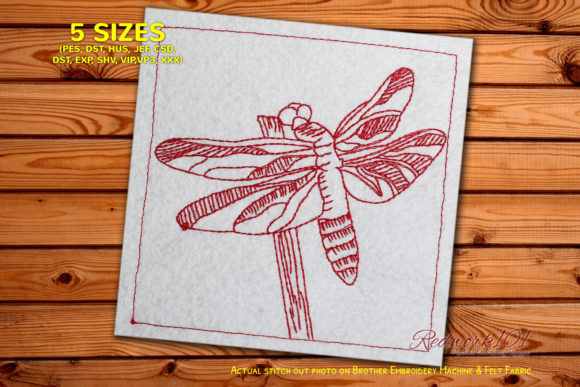
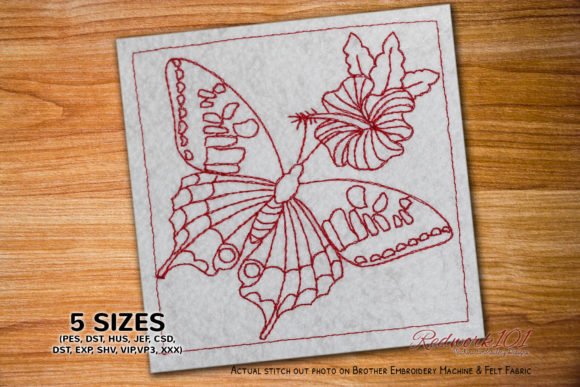
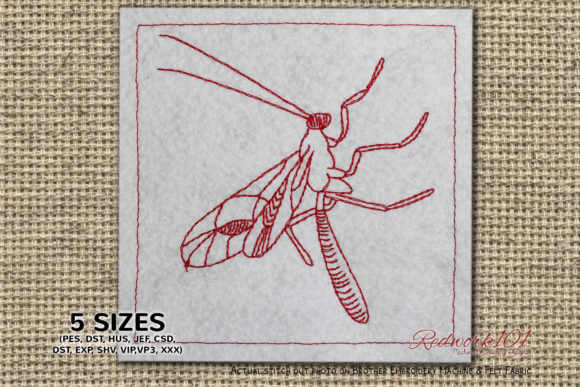
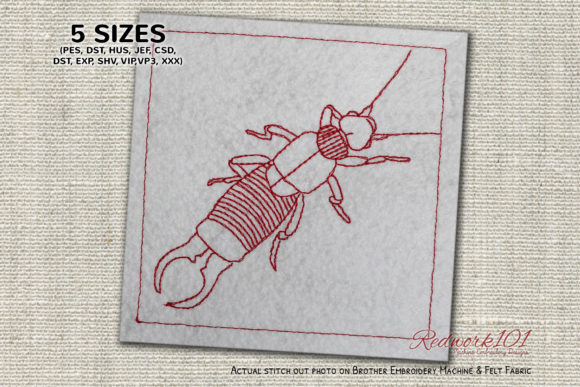
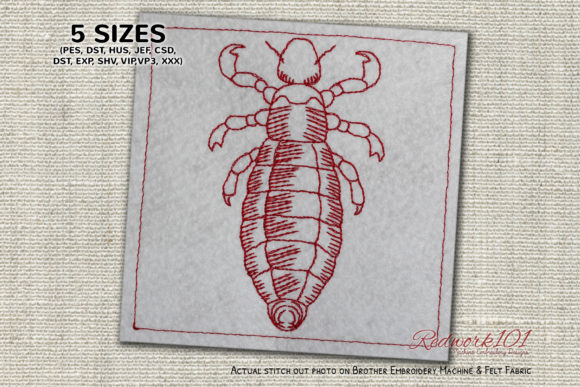
The immediate mood of Louse Redwork is playful and sweet. It has a classic, almost storybook charm that feels both handmade and modern. The level of detail suggests a friendly character, not a scary bug, which is key for emotional appeal. This isn’t just a technical embroidery file; it’s a little piece of art with a gentle, romantic feel. It could easily fit into a nursery or serve as a quirky, heartfelt token for someone who appreciates nature’s smaller wonders.
Potential Uses Across a Gift Shop’s Catalog
This design’s versatility is exciting. For a shop owner, one digital embroidery file can fuel an entire collection of personalized gifts.
- Baby Embroidery & Nursery Decor: Stitched onto a blanket corner, a pillow cover, or a wall hanging, Louse Redwork adds a unique, soft touch. It’s different from typical animals, making it special.
- Wedding Gifts & Family Keepsakes: Imagine it on a custom apron for a gardener couple or a pillow cover for their new home. It becomes a symbol of shared interests, a personalized gift they won’t find anywhere else.
- Kitchen & Home: Embroidered towels, oven mitts, or tote bags gain personality. It turns a practical item into a conversation piece.
- Craft Fair & Online Sales: For Etsy sellers and small business owners, this design offers a ready-made product line. You can create printable mockups for custom order previews, showing customers how Louse Redwork would look on a pillow cover or apron before they commit.
Where to Use Louse Redwork with Care
While the design is charming, its successful application depends on thoughtful execution. Certain products and fabrics require extra planning.
- Delicate Details & Small Lettering: If the design includes any fine elements, test them first. Stitching on textured fabric like thick towels or stretchy baby clothes can blur small details.
- Curved Surfaces & Dark Fabric: A tote bag side or a curved pillow edge needs proper stabilizer to prevent distortion. On dark fabric, thread color contrast is critical—you might need to adjust colors for visibility.
- Products for Frequent Washing: For items like kitchen towels or baby clothes that will be laundered often, ensure the stitch density is robust enough to withstand wear. A test run on scrap fabric of the same type is essential.
How This Design Enhances Giftability and Sales
From a business perspective, Louse Redwork affects more than just the stitch. It impacts the entire customer experience.
Its unique theme increases perceived value. A customer looking for a bug-themed gift won’t find this everywhere. It builds customer trust by showcasing your shop’s ability to offer niche, custom embroidery. The handmade quality and emotional connection it fosters are powerful—it feels like a gift made with thought, not just mass-produced.
For product photography and buyer engagement, this design is a winner. Its clear, sweet form photographs beautifully on finished products like embroidered towels or blanket embroidery, making your Etsy listings or small shop product pages stand out. It invites customers to imagine it personalized for their loved one.
Practical Embroidery Notes Before You Stitch
Before running this for real customer orders, a few in-studio checks are non-negotiable.
- Always test on scrap fabric that matches your intended product material.
- Check thread color contrast, especially if the design uses an outer box stitch. Remember, the note says the color of outer Box is different color in most of the designs unless it is part of the design itself, you can skip the color directly in your mach. This means you may need to preview and possibly adjust.
- Confirm the hoop size needed. The product description doesn’t specify one, so you must check the embroidery file itself before hooping your precious baby blanket or pillow cover.
- Review stitch density by looking at a sample stitch-out. Is it suitable for your fabric? A dense design on a lightweight apron might feel stiff.
- Use proper stabilizer for the fabric type. This is crucial for clean results on any fabric texture.
- Compare light and dark fabric mockups digitally or with small tests to see how the design translates.
- Check small details after stitching your test piece to ensure everything is clear and intact.
- Finally, if you plan to sell the finished products, confirm commercial licensing before selling. The product information provided doesn’t detail license terms, so verifying this with the designer or distributor is a must for any commercial embroidery venture.
In essence, Louse Redwork is a delightful embroidery design with strong potential for personalized gift products. It carries a warmth that resonates with crafters, baby product creators, and wedding gift designers alike. By paying attention to the practical embroidery notes and thoughtfully matching it to the right item, you can transform this digital embroidery file into a finished product that feels special, handmade, and truly gift-worthy.