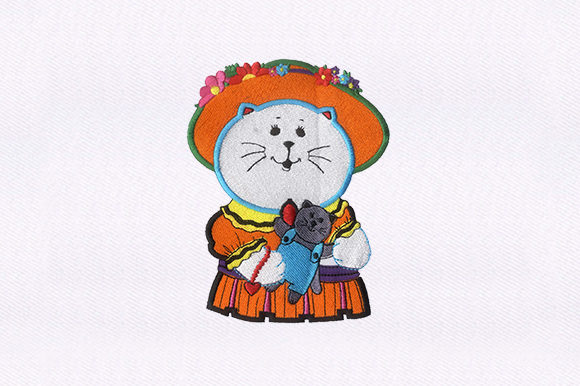
A Designer's Take on the Playful Cat Embroidery File
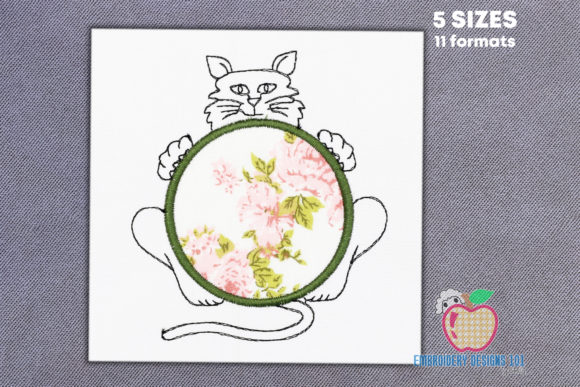
When I download a new embroidery design for my work—whether it’s for a client’s custom apparel, a batch of tote bags for my small shop, or a personalized baby gift—my first evaluation isn’t about the technical specs. It’s about the mood. Opening Playful Cat, the immediate impression is one of cheerful, lighthearted charm. The name delivers exactly what it promises: a feline theme captured with a sense of fun and movement.
The Visual Personality: Where This Design Belongs
The layout and detail level here suggest a design that’s approachable rather than overly intricate. It has a visual personality perfect for casual, everyday items. I instinctively picture it on a cotton canvas tote bag, the centerpiece of a child’s sweatshirt, or adding a warm touch to a kitchen towel. It doesn’t feel formal or ornate; it feels friendly and giftable. This isn’t a design I’d use for corporate branding, but for craft businesses and makers aiming to create products that feel handmade and personal, it’s a strong contender.
For Etsy sellers and boutique owners, this kind of design can become a reliable asset. It’s recognizable, universally appealing, and fits neatly into categories like nursery decor, casual apparel, and simple home goods. The Playful Cat design creates a product that looks less like mass-produced merchandise and more like a thoughtful, crafted item.
Thinking Through Real Projects: A Tote Bag Scenario
Let’s walk through a real case. I’m preparing a limited run of embroidered tote bags for a local craft fair. I want designs that are quick to stitch, visually clear on a textured fabric, and that customers will connect with instantly. I pull up Playful Cat on my software and imagine it stitched.
On a natural cotton bag, the design’s shapes would need to be distinct enough to hold up against the fabric’s weave. The likely use of satin stitches for outlines and fill stitches for interior areas would be key. The success here depends on stitch density and thread color contrast. A high-contrast palette—like a grey cat on a bright bag—would pop beautifully and enhance stitching clarity. On a dark fabric background, I’d be thinking carefully about underlay and possibly a lighter, vibrant thread selection to ensure the playful energy isn’t lost.
This visual appeal directly affects product value and customer trust. A clean, well-defined stitch on a tote bag elevates it from a simple craft to a professional-looking product. For a baby item, like a blanket or bib, the same principle applies: the design must stitch out crisply to feel safe, soft, and appealing to a parent.
Performance on Different Surfaces: The Practical Judgment
Not every design transfers well to every project. The charm of Playful Cat is its adaptability, but a designer must apply some realistic filters.
For textured fabrics like fleece or thick towels, the design’s details need to be robust. If the file has very small, delicate elements, they might get lost. On thin or stretchy fabric for t-shirts, the right stabilizer is non-negotiable to prevent puckering and maintain that playful shape. On curved surfaces like caps, the design’s layout must be evaluated for potential distortion—a central, balanced motif usually works best.
Areas that require careful consideration are typically the smaller, denser sections. Think about tiny decorative accents or very tight corners. Without knowing the exact stitch count or hoop size from the provided file formats list—which includes DST, PES, JEF, and many others—my standard practice is to always test the design on scrap fabric first. I run it on both a light and dark scrap to see how the thread colors behave and inspect the small details under real stitching conditions.
Where to Use It Carefully
I would approach using this design on very small hoop sizes with caution. If the design is physically large in stitch area, reducing it significantly for a tiny baby bib might compromise clarity. Similarly, for products destined for frequent washing, like aprons or tea towels, the stitch integrity and thread quality become paramount alongside the design choice. A loose, playful design can still be durable, but it needs to be stitched with that end-use in mind.
For layered garments or items with pockets and seams, placement is crucial. The Playful Cat should sit in a clean, flat area to ensure the best embroidery outcome. This is a note for apparel decorators and anyone doing commercial embroidery on ready-made garments.
Affecting Your Business and Craft
Beyond the stitch itself, using a design like this impacts your work as a maker. For digital product sellers offering the file itself, its clean performance across the many listed formats (ART, EXP, VP3, XXX, etc.) is a selling point for buyers who use different machines. For those selling finished products, it contributes to brand consistency if you cultivate a playful, family-friendly style.
Its giftability is high. It’s a design that feels appropriate for a holiday gift, a wedding shower present, or a simple personalized product. This emotional connection drives buyer engagement in your Etsy listings or at your craft fair table.
Professionalism comes from execution. Even a fun cat design, when embroidered neatly with proper stabilizer and thoughtful color choices, signals care and skill. It turns a cute idea into a trustworthy handmade product.
Essential Designer Notes Before You Hoop
My final thoughts before committing Playful Cat to a real project always circle back to preparation. Here’s my checklist:
- Run a test stitch on your actual project fabric or a close substitute.
- Check thread color contrast against your final background fabric. Sometimes viewing the design in a black and white mockup can help judge value contrast.
- Confirm the hoop size needed and that it fits your project area.
- Review the stitch density in your software preview; very dense areas might require adjustments for certain fabrics.
- Use the appropriate stabilizer for your fabric type—don’t skip this for stretchy or thin materials.
- Most critically, confirm the licensing terms for this embroidery file. Before selling finished items or using it in commercial embroidery projects, you must know if your use is permitted. This is a fundamental step for creative entrepreneurs and small business owners.
The Playful Cat machine embroidery design, from my perspective as someone who turns digital files into physical products daily, is a versatile, mood-setting asset. It belongs in the toolkit of crafters and decorators looking to add a touch of friendly, handmade personality to a wide range of projects. Its real value is realized not just in the download, but in the thoughtful, practical steps you take to stitch it well.