Strawberries: A Lively, Versatile Embroidery Design
Whenever I open a new embroidery file, my first thought is always, "Where does this design belong?" I’m not just looking at shapes on a screen; I’m picturing how it will look stitched out, what kind of fabric it would call home, and who would want to wear or own it. So, when I loaded the Strawberries design, my mind immediately started sketching out real projects.
The Immediate Mood and Visual Personality
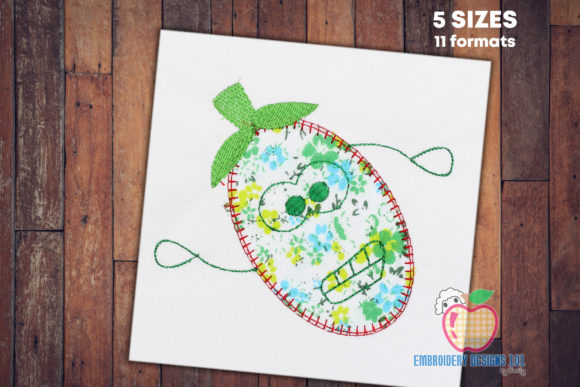
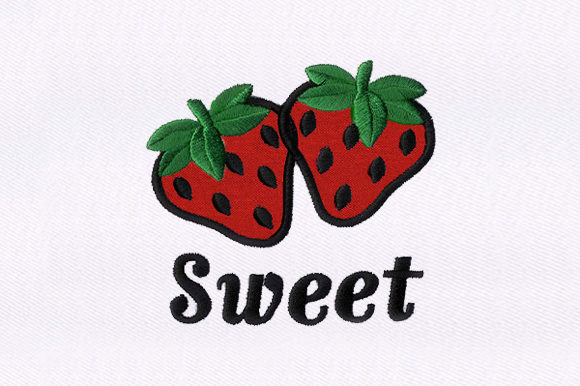
This is a cheerful, approachable design. It doesn’t scream for attention; it invites it. The layout feels organic and natural—it’s not a rigid, symmetrical graphic. This creates a handmade, friendly vibe right from the start. The detail level suggests a good balance: enough visual interest to look substantial on a product, but not so overly dense that it becomes a stitching challenge on lighter fabrics. For anyone in the food-themed embroidery category, this hits a sweet spot between recognisable and charming.
Where This Design Naturally Finds Its Home
I can see this design working beautifully across a range of projects. It’s lively enough for children’s items, like a baby bib or a little knit hat, where the bright, fruity theme is perfect. For home goods, imagine it on a linen apron or a set of cotton kitchen towels—it instantly adds a warm, welcoming touch to a kitchen. For apparel, a tote bag or the left chest of a casual sweatshirt would be ideal spots. The size, under four inches, makes it versatile without being overwhelming.
If you run a small shop selling handmade goods, this design could anchor a whole line of summer or garden-themed merchandise. Think tea towels, pillow covers for a sunroom, or even a simple patch that could be appliquéd onto a denim jacket. For personalized gifts, pairing this with a name or a date on a baby blanket would create a cherished keepsake. The theme is universally positive and doesn’t feel tied to one specific season, giving you flexibility throughout the year.
Performance in Real Embroidery Situations
With a stitch count around 9900, this isn’t a quick, five-minute stitch-out. That density means it will have a nice, substantial feel on the fabric, which translates to perceived value in a finished product. Customers appreciate that tactile quality in handmade items. On a sturdy cotton tote or a fleece sweatshirt, it will look rich and professional.
However, that same density requires some practical forethought. On thinner fabrics like a standard t-shirt or a lightweight linen, you’ll need to be diligent with your stabilizer choice to prevent puckering. For stretchy fabrics, like on a cap, you’ll want to test thoroughly on scrap material first to ensure the design doesn’t distort the base fabric. The good news is the provided file formats cover most major machine brands, so compatibility shouldn’t be a hurdle.
Considerations for Dark Fabrics and Textured Backgrounds
This design, with its likely use of reds and greens, will pop beautifully on light backgrounds. On dark fabrics—like a black cap or a navy sweatshirt—you’ll need to think about thread color contrast. A bright white or a very light green for the leaf highlights might be necessary to maintain clarity. The small details, like the strawberry seeds and stem outlines, need to remain distinct to keep the design from looking muddy on dark colors. A quick test in a black-and-white digital mockup can help you visualize this before you stitch.
Where to Use This Design with Care
While versatile, some applications require extra attention. Given its hoop size, it’s perfect for smaller items, but if you’re trying to place it on a curved surface like the front of a cap, pay close attention to the orientation in your software to ensure it sits correctly. Also, on items that will undergo frequent washing—like baby clothes or kitchen linens—you’ll want to use high-quality thread and secure stitches to ensure longevity. The design isn’t overly fragile, but any design with smaller elements benefits from robust stitching in high-use scenarios.
For commercial embroidery projects or for small business owners producing multiple units, the stitch time is a factor to consider for production scheduling. It’s not excessively long, but it’s substantial enough that you’d factor it into your time estimates for bulk orders.
How It Influences Customer Perception and Product Value
A well-stitched Strawberries design elevates a simple product. On a plain tea towel, it turns a utilitarian object into a giftable item. On a sweatshirt, it moves it from generic to boutique. This kind of design builds customer trust because it looks intentionally chosen and well-executed, not random or slapped on. For Etsy sellers and craft fair vendors, that polished presentation is crucial for standing out. It supports brand consistency if your shop focuses on cheerful, nature-inspired, or food-related themes.
Practical Notes for the Embroidery Designer
Before you commit this to a final project, here’s my standard advice. Always stitch it out on a scrap of the actual fabric you plan to use. This tells you everything about tension, stabilizer needs, and color interaction. Review the stitch density in your software; understand where the fill stitches and satin stitches are to plan your thread changes. Confirm the exact hoop size requirement for your machine setup.
Inspecting the small details in the file preview is key. Look at the tiny elements—are they defined by running stitch or a delicate satin column? This will inform your choice of thread weight and needle. Furthermore, always, always check the licensing terms provided with the embroidery file. Confirm whether it’s cleared for personal use, commercial use on finished products, or for reselling as a digital product itself. This protects your business and respects the designer’s work.
Finally, think about the end-user. Whether you’re making a personalized gift or stocking your small shop, this design has a friendly, recognisable appeal. It’s not niche; it’s broadly likable. That’s a valuable quality in an embroidery design asset. It engages buyers because it feels familiar yet special—a combination that often leads to a finished product that people are happy to own, give, or wear.