Leaning Man Embroidery Design Review for Boutique Apparel
First Impression: A Casual, Playful Dance Motif
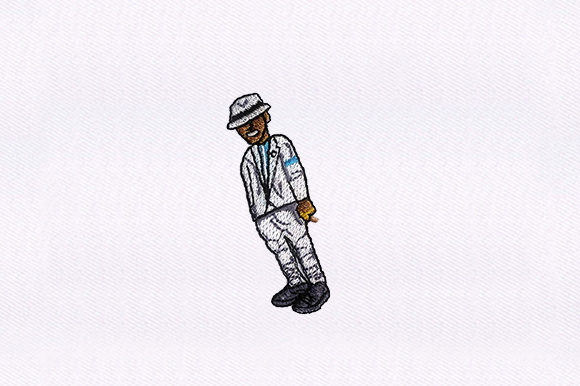
From a designer's perspective, the first thing that strikes me about the Leaning Man design is its mood. The name suggests a figure in motion, likely captured in a relaxed, leaning posture. For a boutique sweatshirt project, this immediately evokes a sense of casual, playful energy. It feels more decorative and artistic than overtly bold or minimalist. Given its categorization under Dance, I imagine a design that conveys a sense of movement and rhythm without being overly intricate or feminine. It should land somewhere between cute and modern, making it a versatile choice for a brand looking for something recognizably unique but not aggressively loud.
Considering the layout, a single leaning figure typically works beautifully as a chest placement on sweatshirts or hoodies. The detail level implied by the name isn't overly complex, which is perfect for apparel. High detail can sometimes get lost on textured fabrics. This machine embroidery design likely has a stitching personality that is clean and defined, relying on good contrast and shape rather than thousands of tiny stitches. As a finished handmade product on a garment, I expect it to look like a thoughtful accent—a piece of art applied to fabric, elevating a simple sweatshirt into boutique custom apparel.
Application on Premium Sweatshirts & Hoodies
Let’s talk real application. For a limited sweatshirt drop, the Leaning Man embroidery file is promising. On a neutral sweatshirt—think heather grey, oat, or cream—the design would pop beautifully, offering that handmade, artisan feel customers of small shops love. On dark fabrics like black or navy, careful thread color selection becomes paramount. Using a bright or metallic thread could create stunning contrast and a premium look. On pastel colors, the design would likely feel softer and more whimsical, aligning with a cute, seasonal collection.
For oversized hoodies, this design is ideal for a left-chest placement. It's substantial enough to be noticed but not so large that it dominates the garment. It could also work wonderfully as a subtle sleeve accent or, if the file allows for scaling up without losing integrity, as a bold back design. The key for boutique merchandise is that it feels intentional and enhances the garment's value, not just a generic decoration.
Integrating into Brand Identity & Photography
From a branding angle, Leaning Man can become a signature element. Its distinctive theme can foster visual recognition for your brand. In lifestyle product photography, an embroidered sweatshirt with this design tells a story of craftsmanship and attention to detail, which builds buyer trust. For your Etsy listings or small shop website, high-quality photos showing the stitch detail and texture are crucial. Using printable mockups and previews with this design applied helps customers visualize the final product, boosting engagement. It screams handmade product more than a printed graphic would.
Practical Designer Concerns for Production
Now, the practicalities. When I review a design for commercial embroidery use, several technical points come to mind. First, thread color contrast is critical. You must choose colors that stand out against your chosen fabric but also fit your brand's palette. The design’s stitch density is a vital unknown—high density can make a design stiff on a soft sweatshirt, while too low density might not withstand washing. I always recommend testing on a scrap of your intended fabric.
Fabric thickness matters. Sweatshirt material is thicker than standard cotton. You'll need a robust stabilizer to prevent puckering and ensure the design sits flat. The provided list of file formats—including DST, PES, JEF, and others—means it’s compatible with most commercial and home machines, which is excellent for Etsy sellers and small shop product creators. However, specific details like exact hoop size recommendations or stitch count aren't provided here, so you must check those in the actual digital embroidery file before hooping your first garment.
Small-size readability is another test. If you plan to offer smaller items or want a tiny version on a pocket, you need to see how the design scales down. Does the "leaning" detail blur? Washing durability is paramount for apparel. A well-digitized design with proper underlay and stitch structure will hold up. I believe, based on its description, Leaning Man should feel strong enough for commercial use if the digitizing is quality. Its subject isn't overly delicate, which suggests good durability.
Final Evaluation: Value & Versatility
So, is Leaning Man a premium design? In execution, yes. Embroidery inherently adds value versus print. This design, when stitched with care on a high-quality sweatshirt, transforms it into a boutique item. It feels casual yet decorative, playful yet sophisticated enough for a brand targeting creative, lifestyle-oriented customers.
For your sweatshirt collection, it offers versatility. You can run it on classic fits, oversized hoodies, and seasonal cozy apparel like crewnecks. It can adapt to different color stories—autumn neutrals, spring pastels, or year-round dark basics. It becomes a design asset for your brand, something you can use across multiple drops.
In summary, Leaning Man presents a compelling opportunity for apparel decorators and creative entrepreneurs. Its dance-inspired theme is engaging, its compatibility is broad, and its application on sweatshirts is fundamentally sound. My advice is to acquire the files, stitch out a test sample on your chosen sweatshirt fabric, evaluate the texture and contrast, and then launch it with confidence as a piece that highlights the handmade, thoughtful nature of your boutique brand.