Happy New Year Embroidery: A Designer's Review
As a professional embroidery designer preparing for a craft fair, every new design file is an opportunity. My process involves judging a design not just on aesthetics, but on its real-world potential: how it will look stitched out, what products it will elevate, and ultimately, whether it will catch a customer's eye and justify its place in my booth. Let’s review the Happy New Year Design Redwork from this practical, seller-focused perspective.
First Impressions: Festive, Clean, and Versatile
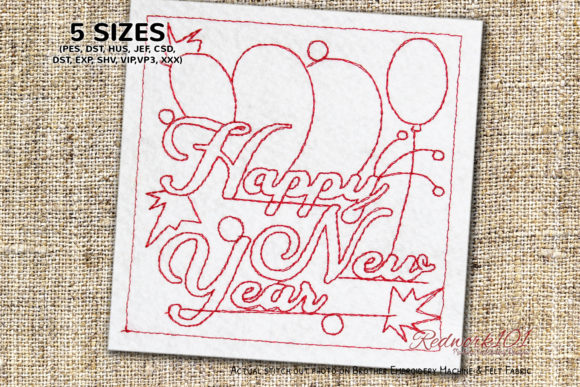
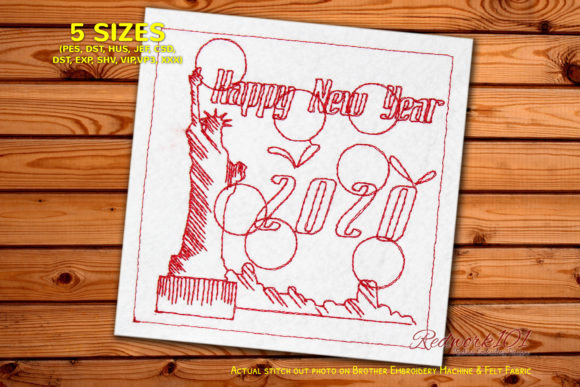
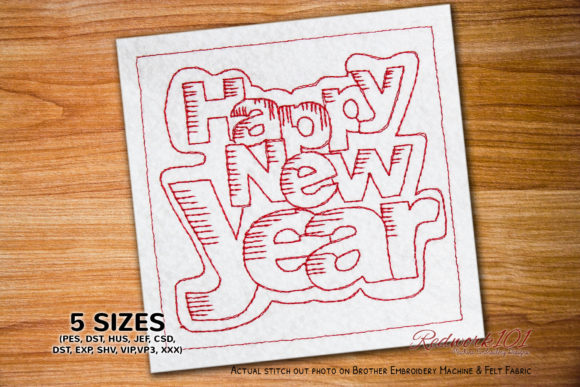
The title tells us a lot. "Redwork" traditionally implies a single-color design, often with a classic, illustrative feel. This suggests a festive yet clean aesthetic. The optional "Box Stitch" mention indicates a decorative border possibility, adding a customizable element. My initial read is that this design leans toward elegant and decorative rather than bold or rustic. It feels like a premium, intentional greeting—perfect for handmade gifts celebrating the new year.
Where This Design Stands Out on Product
Imagining my booth table, I mentally place this embroidery file onto different items. The key is matching the design's mood to the product's purpose.
Top Tier Products: Giftables and Home Decor
Happy New Year Design Redwork would shine on items meant as gifts or celebratory home accents. A beautifully embroidered pillow cover or a crisp tea towel immediately feels special and seasonally appropriate. On a tote bag or market bag, it becomes a stylish, year-start statement piece. These applications leverage the design’s likely elegant lines and turn it into a handmade product with higher perceived value.
Strong Secondary Options: Wearables and Small Goods
For caps or aprons, careful consideration is needed. The curved surface of a cap can distort lettering; if the design has small details, it might lose clarity. On an apron, positioned neatly on a pocket or bib, it could work wonderfully as a focal design. As an embroidered patch, it offers versatility—customers could apply it to their own items. Small fabric pouches or gift card holders would also be excellent, acting as small shop products perfect for last-minute holiday shoppers.
Practical Production and Selling Points
Turning a digital embroidery file into profitable craft fair products requires a production-minded review.
Clarity and Scale
I need to assess how this design reads at different sizes. At a glance, "Happy New Year" should be instantly understandable. If the lettering is tiny or overly ornate, it may fail on smaller items or on dark fabric where contrast is crucial. It must work as both a large focal point on a pillow and a smaller accent on a towel corner. This directly affects batch production efficiency and hoop size choices.
Stitch Density and Fabric Compatibility
The mention of "Redwork" often suggests line-based stitching, which can be good for stitch density on textured fabrics like tea towels. However, I must check for any densely filled areas that could pucker on lighter fabrics. Using the correct stabilizer is paramount. The optional box outline adds a layer; I would test whether it integrates seamlessly or requires careful thread colors management, especially if the outer color differs.
Photographing for Online Sales
For my Etsy listings and printable mockups, this design needs to photograph cleanly. Crisp, single-color redwork on a neutral background tends to look sharp and professional in product photos, enhancing customer attention online. A real, physical mockup is essential to showcase the actual handmade quality and texture.
Critical Designer Checklist Before Production
Before I commit to stitching this onto dozens of craft fair products, here is my mandatory action list.
- Test on Scrap Fabric: Always stitch the machine embroidery design on a fabric scrap matching my final product material—whether it’s canvas for a tote bag or linen for a pillow.
- Check Thread Contrast: Verify the red thread pops against all intended background fabrics, especially dark or patterned ones.
- Review Spacing and Scale: Confirm the design works beautifully at the planned hoop size for each product type.
- Inspect Stitch Density: Look for any areas that might be too dense for lightweight fabrics or cause tension issues.
- Create One Real Mockup: Produce at least one finished product, like a tea towel or pouch, to judge its final appeal and physical feel.
- Compare Fabric Colors: Decide which fabric colors (cream, white, black, navy) make the design look most festive and premium.
- Confirm Commercial Licensing: As a digital seller using this file for commercial embroidery, I must ensure my license allows for selling the finished products. The product description doesn’t specify this, so checking with the file provider is a non-negotiable step.
The Final Booth Display Perspective
In the bustling environment of a handmade market, Happy New Year Design Redwork contributes to a cohesive, seasonal section of my booth. Its elegant, celebratory mood can attract buyers looking for meaningful, year-start gifts. When displayed alongside other items, it strengthens brand consistency if my style leans toward clean and decorative. On a well-made product, it elevates the item’s value, encouraging buyer engagement and conversation. Its success hinges on pairing it with the right product—where its festive message and clean execution are displayed to their fullest advantage. That thoughtful pairing is the true craft behind a successful embroidery business.