Embroidered Caddisfly on Leaf: A Fair-Ready Bug Design
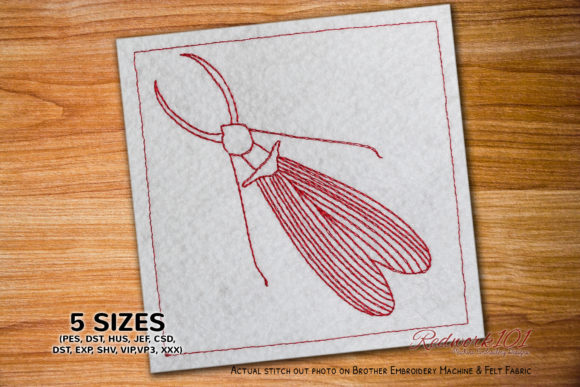
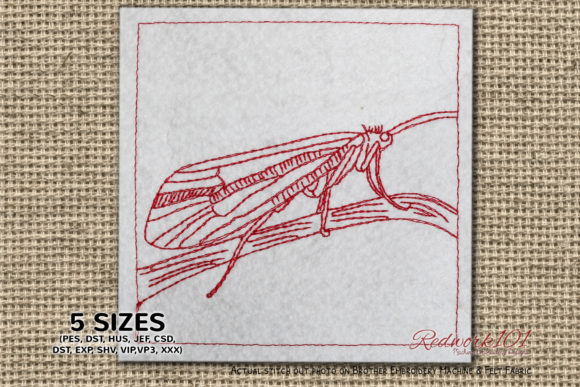
As an embroidery designer preparing for a busy craft fair, my first task is reviewing which designs have the potential to sell. When I look at Caddisfly on Leaf, I see a focused, nature-inspired design that fits squarely in the popular "Bugs" category. The title and description suggest a clean, illustrative style, with the optional box stitch framing providing a key point of flexibility for production. My initial impression is that this design leans toward a decorative, soft, and rustic aesthetic. It’s not overly bold or funny, but it carries a sense of handmade quality that appeals to customers looking for something natural and charming.
Visual Placement and Product Potential
My booth will feature a range of products: tote bags, aprons, tea towels, caps, patches, pouches, pillow covers, and gift items. I need to envision where Caddisfly on Leaf will stand out. For a design like this, scale is critical. It likely performs best as a medium-sized focal point rather than a tiny accent. On a tote bag or market bag, positioned centrally, it becomes a statement of style. On a kitchen towel or apron, placed near a corner or hem, it serves as a decorative detail that doesn’t overwhelm the fabric's utility.
The optional outer box stitch mentioned in the description is a major production consideration. In most designs, this box is a different color, acting as a frame. I can skip it directly if it’s not integral to the artwork. This is excellent for versatility. On a dark fabric, that contrasting box might be essential for definition. On a light linen tea towel or pillow cover, skipping the box could create a softer, more integrated look, letting the caddisfly and leaf shine alone. This choice directly impacts the final product's mood—from a more defined, modern graphic to a purely rustic illustration.
Practical Production for Craft Fair Volume
For selling at a fair, I must consider batch production. Caddisfly on Leaf appears to have clear, distinct elements: the insect and the leaf. This is good. Designs that are easy to understand at a glance sell faster at a bustling booth. However, I need to be cautious about stitch density and tiny details. If the caddisfly's legs or the leaf veins are overly intricate, they might lose clarity on textured fabrics like towels or on curved surfaces like caps. I always test the embroidery file on scrap fabric first, especially on the materials I intend to use—a dense cotton for a tote, a terry cloth for a towel, a twill for a cap.
Thread color contrast is paramount. This is a natural design, so choosing threads that pop against the base fabric but still feel organic is key. On a dark fabric, I’ll likely need lighter, brighter threads. On a light fabric, deeper greens and browns will add depth. The description advises the outer box is usually a different color, which is a helpful hint for planning my color swaps and thread inventory.
Selling Power and Customer Engagement
When a customer walks past my booth, Caddisfly on Leaf needs to catch their eye. On a pillow cover or a small fabric pouch presented as a giftable item, it conveys a sense of quality and thoughtfulness. It’s not a generic motif; it’s a specific, knowledgeable nod to nature that can attract a certain buyer. This enhances perceived product value. For my brand, if I specialize in nature-themed embroidery, this design strengthens consistency. A well-embroidered sample, perhaps on a simple apron hanging in my display, acts as a silent salesperson, showcasing the craftsmanship.
Photographing products with this design for my Etsy listings or printable mockups requires attention. The design must remain sharp and clear in photos. I’ll ensure my pictures capture the texture of the stitches, particularly on the leaf, to emphasize the handmade quality. If the design has very dense stitch areas, I’ll photograph it on a flat, neutral background to avoid visual clutter.
Critical Designer Notes Before Production
Before I run any machine embroidery design for commercial sale, my checklist is rigorous. For Caddisfly on Leaf, I will:
- Test on scrap fabric identical to my final products (tote bag cotton, apron linen, etc.).
- Check thread contrast for each fabric color I plan to offer.
- Review spacing between elements to ensure it doesn’t pucker on lightweight fabrics.
- Confirm the hoop size needed from the file itself—a smaller hoop means faster production but may compromise detail.
- Inspect stitch density in the leaf and insect body; high density can stiffen fabrics like tea towels.
- Use the right stabilizer for each fabric type; a towel requires a different approach than a cap.
- Create at least one real mockup of the final product, like an embroidered tea towel, to judge the complete look.
- Compare fabric colors in my inventory to see which backgrounds make the design sing.
- Confirm commercial licensing of the digital embroidery file before selling any finished products at the fair or online.
The description does not specify exact stitch counts, file formats, or license terms, so I must verify these with the design provider before any production begins. This is a non-negotiable step for any small shop product.
Final Judgment for the Fair Booth
Caddisfly on Leaf has strong potential as a craft fair product. Its niche appeal within the Bugs category can attract customers who love garden themes, freshwater aesthetics, or simple rustic decor. For quick buyer engagement, I would feature it on products where its detail is preserved: a high-quality tote bag as a centerpiece, a set of tea towels bundled together, or as a standalone embroidered patch for crafters. Its optional framing element allows me to adapt it to my product line seamlessly.
Ultimately, its success will depend on execution. A clean stitch-out with good contrast on appropriate fabric will make it look premium. A messy one on unsuitable material will make it look amateur. My job as the designer is to ensure the former. By following my practical notes and understanding how this design functions on different items—from aprons to pillow covers—I can turn Caddisfly on Leaf into a reliable, attractive part of my handmade market offering.