A Practical Review of the 31st New Year Lineart Design for Real Projects
When you’re selecting a digital embroidery file for a customer order or a seasonal product line, it’s not just about the aesthetic. You need to consider how it will stitch out, how it will look on the final product, and whether it will meet your professional standards. Having used the 31st New Year Lineart Design from Creative Fabrica for several real projects, I want to share my honest evaluation from the perspective of someone who relies on these files for their business.
First Impressions: A Clean, Modern New Year's Motif
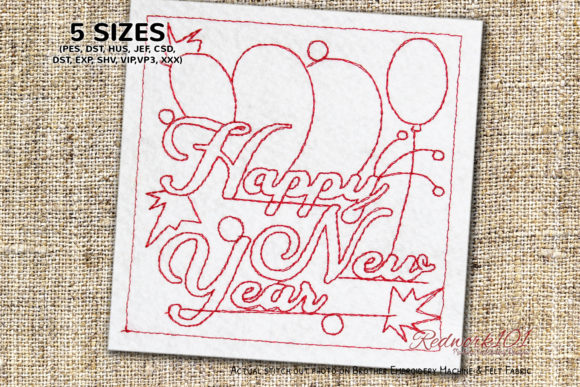
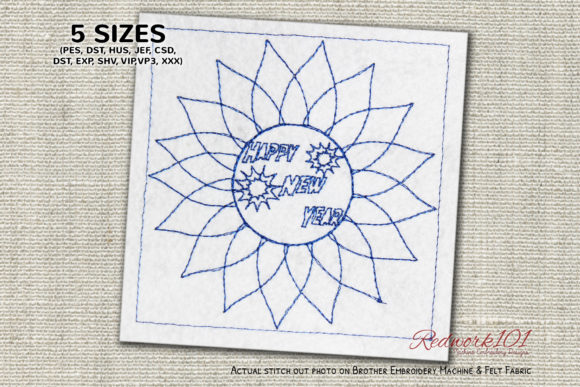
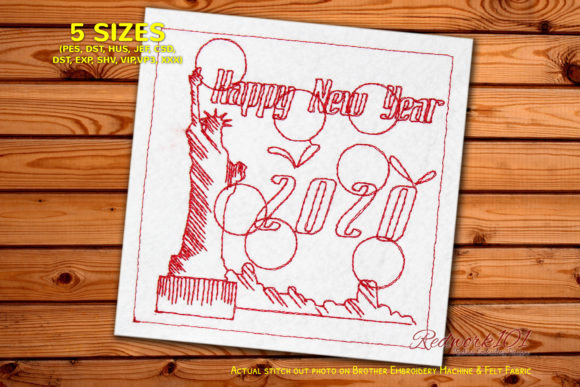
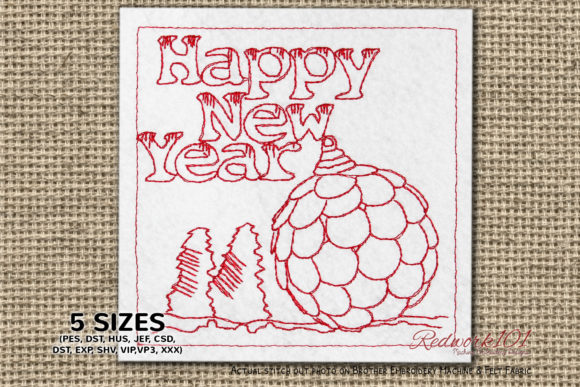
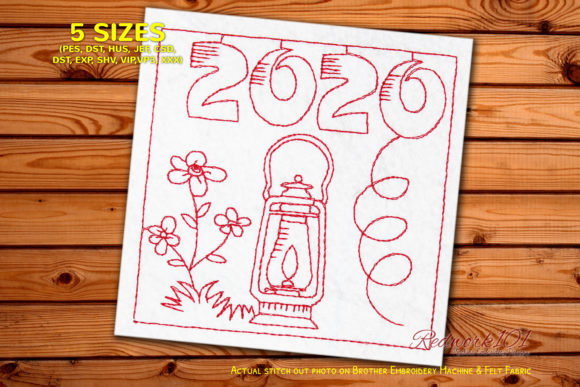
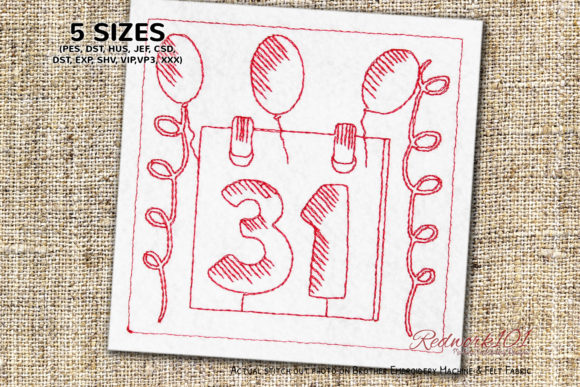
The initial mood of this design is crisp and contemporary. It’s a lineart style, which means it relies on outlines rather than filled areas, giving it a lighter, more delicate stitching personality. This isn’t a dense, traditional holiday emblem; it’s a decorative, almost illustrative take on “31st New Year.” The detail level is intentional, focusing on clean lines that can translate well into stitches. Visually, it fits projects that call for a subtle, stylish celebration rather than a loud, bulky declaration.
This naturally leans towards certain embroidery projects. I immediately thought of it for items like kitchen towels, aprons, pillow covers, and tote bags where a large, heavy design might overwhelm the fabric. It also has strong potential for baby items like blankets or bibs, and for nursery decor where a softer holiday touch is desired. For caps and patches, the lineart nature could be advantageous, depending on the stitch execution.
Performance in Real Embroidery Work: The Details Matter
Putting this machine embroidery design into action requires some practical considerations. The description notes that “The Box Stitch shown in picture is optional” and that the outer box color can vary or be skipped. This is crucial information. It means you have flexibility. For a custom apparel project like a sweatshirt, you might skip the box entirely for a cleaner look. For a handmade gift like a pillow cover, the box could frame the design nicely if stitched in a contrasting color.
On stretchy fabric like sweatshirts or on curved cap surfaces, the success of a lineart design hinges on stitch density and stabilizer use. If the lines are composed of very short, tight stitches, they can be stiff. If they’re longer running stitches, they may be more flexible. Without specific stitch count info, testing on scrap fabric is mandatory. For dark fabric, you must carefully plan thread color contrast; a light, bright thread will make this design pop, while a metallic or white thread could give a beautiful shimmer.
Practical Use Across Different Products and Fabrics
Let’s break down application scenarios. For small items like kitchen towels or aprons, the design size becomes important. You need to confirm hoop size compatibility—ensure the design fits within your available hoop for the item. Tiny lettering within the “31st” needs to be inspected after stitching; on textured fabric, very small details can get lost.
For commercial embroidery or products destined for Etsy listings and craft fairs, consistency is key. Using this design across a product line—say, on a set of tote bags and matching pillow covers—can create strong brand consistency. Its clean look elevates the handmade presentation, making items feel more thoughtfully designed rather than generically decorated. This directly impacts product value and buyer trust.
Affecting Product Value and Customer Engagement
An embroidery file isn’t just a pattern; it’s a tool for creating perceived value. The 31st New Year Lineart Design offers a specific vibe. Its visual appeal is modern and somewhat minimalist, which can attract customers looking for less traditional holiday decor. This boosts giftability—it feels like a contemporary gift for a New Year’s host or a January birthday.
For your business, it aids in product photography and creating printable mockups. A clean design like this photographs well against various backgrounds, making your online listings more engaging. When you’re selling the finished product, whether it’s a custom apparel item or an embroidered patch, the professional execution of this design (with proper stabilizer and thread choices) reinforces your craftsmanship.
Essential Embroidery Notes Before You Start
Before committing this design to a customer’s order, a disciplined approach is necessary. First, check the product details on the Creative Fabrica page for the exact file formats, license terms, and any included notes on recommended hoop sizes or stitch counts. The license is particularly important for commercial embroidery and digital product sellers.
Then, run a practical test. Test on scrap fabric identical to your final product fabric. Compare light and dark fabric mockups digitally or with test stitches to see the contrast. Review stitch density by stitching it out; look for any overly dense areas that might pucker lightweight fabric. Use proper stabilizer for your fabric type—this is critical for lineart to keep lines crisp. Finally, inspect small details after stitching to ensure everything is clear and intact.
Is the 31st New Year Lineart Design Worth Using?
From my experience, this Creative Fabrica embroidery design is a solid choice for specific projects. It’s not a universal, heavy-duty holiday design, but its strength lies in its style and flexibility. If your project calls for a modern, line-based New Year’s motif on items like home decor, lightweight bags, or gifts, it performs well. Its optional elements allow for customization. However, its suitability for very small items or dense fabrics depends entirely on the actual stitch construction of the file, which you must verify.
For embroidery designers, Etsy sellers, and creative entrepreneurs looking to add a fresh New Year’s option to their lineup, downloading and testing this design is a reasonable step. It can become a valuable design asset for seasonal offerings, provided you approach it with the practical precautions that any professional embroidery work requires. Always start with a test stitch, respect the licensing, and let the final stitched result on your actual product be the true judge of its worth for your business.