A Designer's Review: The Sitting Baby Dragon for Boutique Sweatshirts
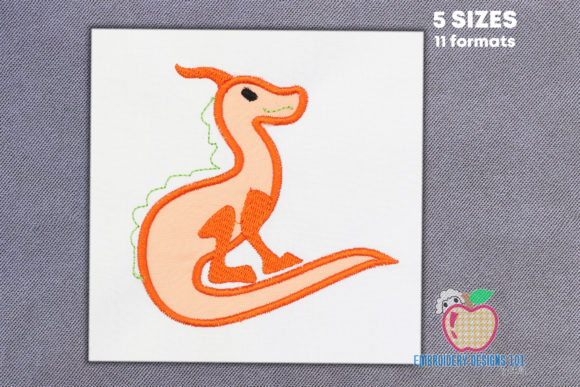
When a boutique brand approaches me for a premium sweatshirt collection, the first question I ask is: does the design have the right personality? Looking at the Sitting Baby Dragon Applique Pattern, the immediate impression is a charming, playful character with a touch of whimsical detail. The "sitting" posture suggests a stable, centered layout, which is ideal for a clean chest placement on a hoodie or sweatshirt. It feels inherently decorative and cute, leaning slightly feminine but not exclusively so—it has a universal appeal that could work for a rustic, storybook-inspired brand or a more modern, minimalist shop seeking a single bold accent.
First Impressions: Mood, Detail, and Stitching Personality
From a professional embroidery standpoint, the title "Applique Pattern" tells me this isn't just a standard fill-stitch design. Applique typically involves stitching a fabric piece onto the base garment, which adds a wonderful tactile dimension and can manage stitch density beautifully on thicker fabrics like sweatshirts. For a baby dragon, this technique could allow for a lovely contrast between a textured wing fabric and the smooth scales, adding premium depth. The description notes steps separated by color changes, which is a critical detail for efficient production. This means the machine embroidery design is logically organized, allowing for straightforward thread management and fewer production headaches—a must for small shops running limited drops.
The detail level implied by "Wild Animals" category suggests some intricacy, but the "baby" aspect likely keeps it from being overly complex. The finished embroidered product should have a friendly, approachable look, not a fierce or overly detailed one. This stitching personality—playful and well-defined—is perfect for creating an emotional connection with customers, making the garment feel like a special, handmade product rather than just generic apparel.
Application on Boutique Sweatshirts & Hoodies
Imagine this Sitting Baby Dragon Applique Pattern on a neutral, heavyweight cotton sweatshirt. The applique elements would pop with a soft, contrasting texture. On a dark fabric like charcoal or navy, choosing a lighter, perhaps even pastel, applique material would create a stunning, cozy seasonal look that feels both casual and intentionally designed. For an oversized hoodie, this design scale is likely perfect for a classic left-chest placement, becoming a subtle brand identifier. It could also work beautifully as a sleeve accent or a smaller, repeated element on a cuff for a more decorative line.
For a small online shop, the versatility here is key. The same digital embroidery file can generate a cohesive collection: the dragon on a pastel crewneck, a dark oversized hoodie, and a cream-colored vintage-style sweatshirt. This consistency strengthens brand identity. Using printable mockups or flat lay photography with these varied backgrounds would make for compelling Etsy listings and lifestyle product photography, showcasing how the design adapts. It speaks directly to customer engagement through visual recognition—a cute, memorable character that people associate with your boutique brand.
Practical Production Considerations for Shops
Moving beyond aesthetics, let’s talk practicalities. The mention of multiple embroidery file formats is a huge relief for any shop owner. It means whether you’re using one brand of machine or several, you likely have a compatible file, making this design instantly usable for custom apparel projects.
For sweatshirt embroidery, fabric thickness and texture are primary concerns. An applique pattern can be a smart choice here, as it can reduce the overall stitch density on the base garment, minimizing puckering on the looped sweatshirt fabric. Stabilizer choice will still be paramount—a solid cut-away is my go-to for sweater fabrics to ensure washing durability. Thread color contrast between the applique fabric and the satin or detail stitches will define the final look. On a neutral sweatshirt, rich jewel tones on the dragon could feel premium; on a pastel ground, softer threads might create a gentler, more feminine vibe.
Hoop placement and small-size readability are always tests. Before production, I would absolutely run a test stitch-out, especially if considering a smaller version for a sleeve. The design needs to retain its character when scaled down. Furthermore, for commercial embroidery, even on a limited scale, the design must feel strong and cleanly stitched. The separated color steps suggest a clean build, which supports a professional finish. However, I always remind fellow crafters and digital sellers: check the exact recommended hoop size and any license terms provided with the design files before committing to production. These details are crucial for a smooth project.
Elevating Product Value and Brand Trust
Ultimately, choosing a design like the Sitting Baby Dragon Applique Pattern is about elevating perceived value. A well-executed applique embroidery on a premium sweatshirt feels inherently more luxurious than a simple screen print. It speaks to craftsmanship. For the customer, it suggests care and attention—the hallmarks of a handmade business. This builds buyer trust and can justify a higher price point for your limited drop.
The design’s playful, decorative nature lends itself to storytelling in your marketing. It’s not just a sweatshirt; it’s a "cozy dragon keeper’s hoodie." That kind of narrative enhances customer engagement and makes your shop’s products memorable. For apparel decorators and creative entrepreneurs, this machine embroidery design isn’t just a graphic; it’s a versatile design asset that can anchor a whole product line with a consistent, charming aesthetic.
In my evaluation, this Sitting Baby Dragon Applique Pattern holds significant potential for a boutique sweatshirt collection. It balances cuteness with a structured applique technique suitable for heavyweight fabrics. It feels decorative, playful, and capable of adapting across color palettes from dark and rustic to soft and pastel. With attention to practical details like stabilizer and thread selection, it can produce a durable, premium-looking finished product that reinforces a small brand’s identity and helps a handmade presentation stand out in a crowded market.